WiN Medicine
Nuclear medicine (NM) uses tiny amounts of radioactive materials (radiotracers) to reveal how organs and tissues are functioning.
This helps doctors to diagnose, stage and treat diseases such as cancer, heart conditions and neurological disorders. Specialised cameras are used to detect the emitted radiation, revealing functional and metabolic activity inside the body, not just anatomy. Unlike standard X-rays, it shows how well something works, often identifying disease at an early stage by tracking blood flow, cellular metabolism, and receptor expression.
NM has a clearly defined role in clinical practice due to its usefulness in many medical disciplines, particularly in cardiology, neurology, among others. Moreover, NM is a medical specialty that is evolving at a fast pace, yet technological advancements made in the last 20 years contribute to a widening disparity between developed and developing countries.
Since 2000, the number of NM procedures has increased considerably. Advancements in the field, such as the expansion of theranostics- an approach using the same molecule for diagnosis (γ or positron emitter)and therapy (β minus or α emitter), is reshaping personalized medicine. NM has become the cornerstone of oncology and an essential tool in the oncological areas of diagnosis, evaluation of extension, staging, therapeutic efficacy and theranostic via beta and alpha therapy, to name a few.
However, the benefits of NM have not been equitably made to the world. While quality data for cancer incidence and survival rates are often unavailable (for instance, coverage of high-quality data from registries is well below 10% in Africa, Asia, and Latin America), current analyses indicate that about 70% of cancer deaths occur in low-income and middle-income countries.Knowing that oncological or radiation therapy cannot be established without NM imaging and therapy, there is an urgent need to reduce the existing disparities between developed and developing countries, and establish a relevant strategy to strengthen the sustainability of the role of NM in all medical specialties and health sectors, especially in oncology, and in low- and middle income countries.
As in all areas, gender disparity is pervasive in nuclear medicine, and it becomes necessary to promote parity in the field. Gender parity is one of the targets of WiN global and is one element of the 17 UN Sustainable Development Goals.
Mission
WiN Medicine mission is to develop concrete measures to attract more new talents medical students and doctors, particularly young students and women, to pursue a career in nuclear medicine.
Role of WiN Medicine Partners
WiN Medicine Group of Expertise was launched in October 2021 under the framework of the partnership between WiN Global and the CNESTEN (National Center for Nuclear Energy, Sciences and Technology) , IAEA and others in progress. The role of partners is to help the WIN Medicine in logistics and to organise Webinars and awareness.
Why WiN Medicine?
To help achieve gender parity in NM within the global community of practice, including relevant international organizations.
Objetives
- Fighting gender inequality and encouraging students especially women in the medical sector to choose nuclear techniques as their specialty.
- Promote nuclear medicine and highlight the pivotal role of nuclear medicine in the precision medicine and theranostic in the health sector particularly in low- and middle income countries.
- Attracting the younger generation to the field of nuclear medicine involves a multifaceted approach that highlights the exciting opportunities, advancements, and societal impacts of the field.
Membership Application
Join us, share your expertise, and help shape meaningful impact across the WiN Global community.
Leadership
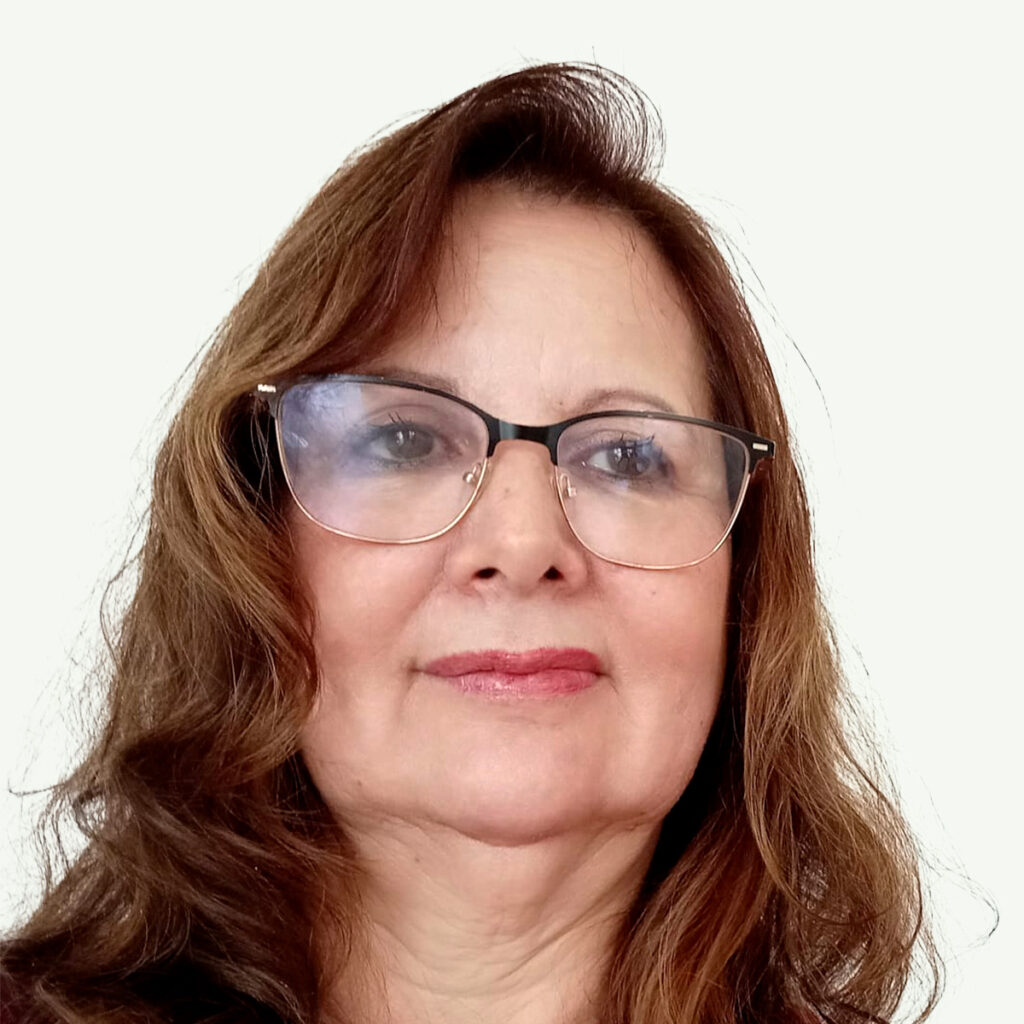
Nouzha Ben Raïs Aouad - Hôpital Ibn Sina-Rabat
Nouzha is Professor, highest degree at the University Mohammed V Rabat, and Head of Nuclear Medicine Department, Director of Research and Pedagogy in Nuclear Medicine, Physics and Biophysics. She is the first Moroccan female scientist physician specialized in Nuclear Medicine, graduated from INSTN “CEA Saclay” and Rene Descartes University Paris.