Menu
Radioactive and nuclear transport involves moving radioactive materials for medical, industrial, and nuclear fuel cycle purposes. ~ 20 million radioactive and nuclear transports are safely performed every year. It is a strictly regulated activity with international, national and local requirements. It is a highly complex, multidisciplinary field that integrates safety, security, and safeguard requirements. It involves technical, regulatory, logistical expertise and specialized support functions to ensure that material ranging from medical isotopes to nuclear fuel is moved securely.
With a renewed interest in nuclear energy in recent years, it is crucial to maintain the very strong safety records of our field.
To support the growth, WiN Transport aims to highlight and promote women achievements, educate and advocate for our field of expertise and contribute to bringing a new skilled workforce.
The Women in Nuclear Law Initiative (WiNLI) was launched in March 2023 under the framework of the partnership between WiN Global and the OECD Nuclear Energy Agency (NEA). This partnership was launched in September 2022 with the signing of a Memorandum of Understanding between the NEA and WiN Global to further strengthen the common objective of both to improve gender balance in the nuclear sector.

Our mission is to promote and recognize in the five continents women working in radioactive and nuclear transports by increasing visibility of women achievements in this field, sharin.
The key role of radioactive and nuclear transport fields is generally underestimated. It encompasses a large variety of expertise (design, licensing and manufacturing of packages, logistic specialists, regulatory specialists in all transport modes, security and safety experts, and all support functions specialists). The idea to create a women community of Transport was initiated by a small group of women interested in moving forward a few topics among which: recognition of women in the field, contribute to the advocacy of radioactive and nuclear transports, play a role in attracting a new workforce and also retaining the already trained workforce, have access to a platform of exchanges to share experiences and seek support when needed.
Nuclear experimental facilities are essential for ensuring nuclear safety. Their operation demands human resources with diverse perspectives. However, maintaining these facilities, including research reactors, and ensuring timely knowledge transfer are urgent challenges. WiN’s network effectively addresses these issues. By fostering information exchange, empowering ambitious newcomers to contribute to experimental facilities will significantly advance future nuclear safety.
Join us, share your expertise, and help shape meaningful impact across the WiN Global community.
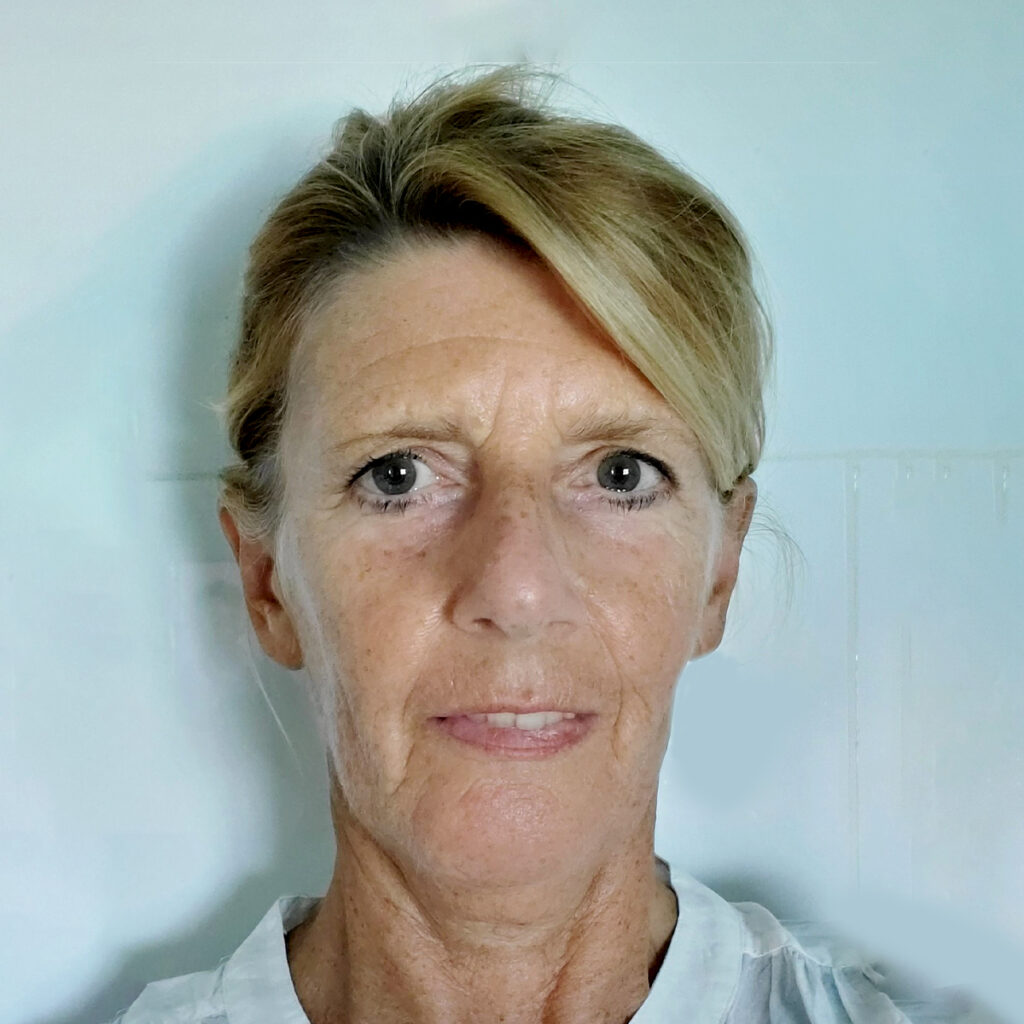
Catherine Shelton
With over 35 years of experience, Catherine Shelton is a global expert in the strategic and operational management of nuclear and radioactive material transport. Throughout her distinguished career in France and the United States, she successfully managed large-scale programs, including the delivery of approximately 1,500 commercial spent fuel shipments. Her extensive contributions to the field, backed by a master’s degree in business, were honored in 2019 with a Lifetime Achievement Award from the PATRAM committee.